 5 min read
Engine Issues: 8 Signs Your Engine Needs Repair

Engines are the heart of your beloved car. But like any essential organ, they need to weather wear and tear over time. Knowing the early tell-tale signs of engine issues can save you from costly repairs, keep you safe on the road, and help you save money on the long-run with replacement parts.
If you’re new to owning and looking after your own vehicle, it can be extremely overwhelming to recognize the warning signs of engine problems. Don’t worry — we’re here to help. In this easy-to-navigate listicle, we’ll walk you through the 8 clear(est) signs that your engine may need repair or replacement and what you can do about it (including buying a used part to save you money, or visiting a local junkyard to find a part that fits your vehicle on the cheap).
1. Unusual Engine Noises
Is your engine making strange sounds? Does it sound like there’s a zoo animal growling under the hood? Or maybe it sounds like a stranger knocking at your door?
Unusual noises are one of the first, and most obvious and intrusive signs of car engine issues. These sounds can vary widely, from tapping to deep knocking. Understanding what they mean can help you diagnose before it gets completely out-of-hand:
Common Types of Engine Noises and What They Indicate
- Knocking noises: If you hear a persistent knocking sound, it’s often due to problems with the engine bearings. Bearings support the engine’s moving parts, and if they wear out, they can cause metal components to grind together, leading to severe engine damage.
- Tapping or clicking sounds: This is often due to insufficient lubrication, usually caused by low engine oil. The valve lifters may be the culprit if you notice a ticking noise while idling. Want a more comprehensive list of reasons you’ll get tapping or clicking sounds? Check out this article here.
- Squealing noises: High-pitched squealing often means your serpentine belt or timing belt is loose or worn out. These belts are crucial for your engine’s operation, so don’t ignore these sounds.
Ignoring unusual sounds can lead to bigger issues down the road, like a complete engine breakdown (requiring you to often replace your entire engine with either a used or new auto part). Therefore, addressing these noises early is crucial to preventing costly repairs.

2. Check Engine Light Stays On
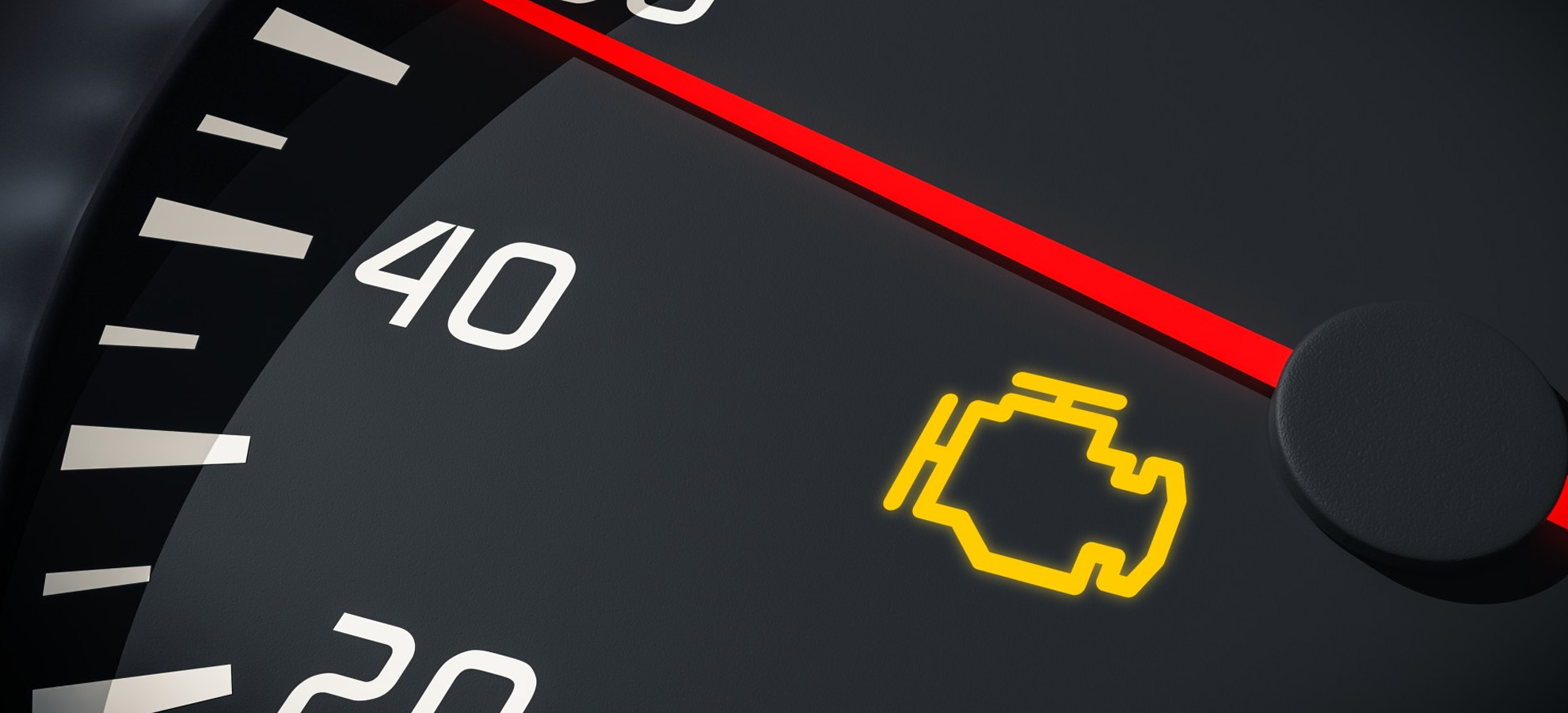
Ever been driving 60 on a highway, and the check engine light pops on? For both car novices and car enthusiasts alike, nothing elicits quite the sense of fear as a check engine light. Making things even more confusing, this light can mean anything from a loose gas cap to much more severe engine problems. Compounding issues, the longer it stays on, the more you should be concerned.
Why Is My Check Engine Light On?
Your check engine light may be on for a range of reasons. Here are some common reasons related to your engine specifically.
- Oxygen sensor malfunction: The oxygen sensor monitors the level of unburnt oxygen in your car’s exhaust. If it fails, your car’s engine will run less efficiently, burning more fuel than necessary.
- Faulty catalytic converter: This crucial component converts harmful gases into less harmful emissions. If it fails, not only does your engine performance suffer, but your car may also fail emissions tests.
- Mass Airflow (MAF) sensor issues: The MAF sensor measures the amount of air entering the engine to ensure the correct air-fuel mixture. A malfunction can result in poor performance and stalling.
What to Do When Your Check Engine Light Is On
- Blinking light: Time to act. This indicates a severe issue, such as a misfire that could damage the catalytic converter. Stop driving immediately and get it checked.
- Steady light: Keep an eye on it. While it’s not as urgent as a blinking light, it still requires attention. Ignoring it could lead to further damage.
3. Excessive Exhaust Smoke
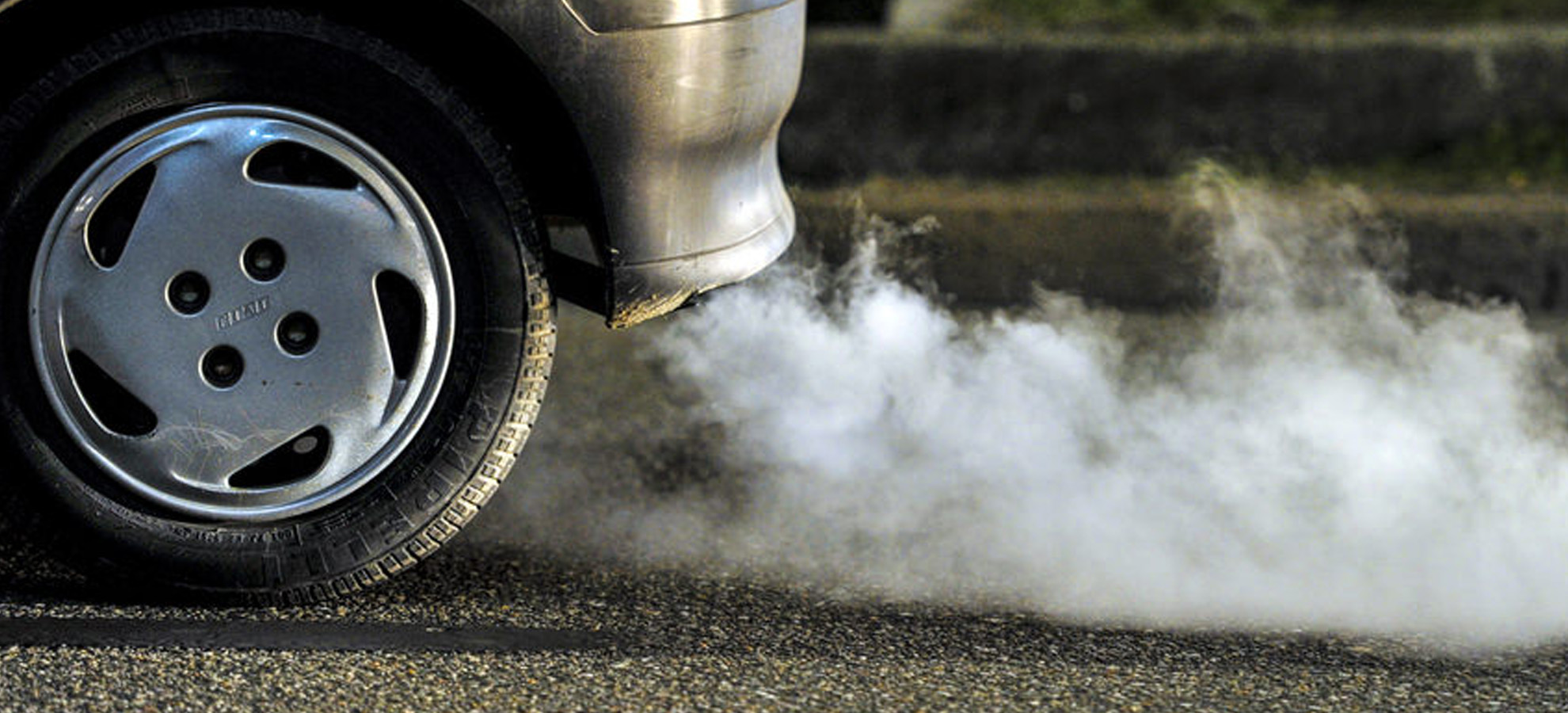
Consider exhaust smoke a real-time snapshot into your engine’s health. Different colors of exhaust smoke can indicate various engine issues:
What Does the Color Of Smoke Coming From My Exhaust Mean?
- White smoke: Often indicates a coolant leak into the combustion chamber, which can lead to overheating. This may be due to a blown head gasket or a cracked engine block.
- Blue smoke: This signals that your engine is burning oil. The cause could be worn piston rings or valve seals, which allow oil to seep into the combustion chamber.
- Black smoke: Indicates your car is burning too much fuel, often caused by a faulty fuel injector, blocked air filter, or a malfunctioning fuel pressure regulator.
Addressing these issues early is absolutely critical. Ignoring smoke, especially blue or black, can lead to engine failure, resulting in expensive repairs (which can be made cheaper by buying used auto parts, specifically if you can find used auto parts near you at a local salvage or recycling facility) or even a full engine replacement (which you can often find in salvage yards on the cheap).
4. Rough Idling or Stalling
If your car feels shaky or starts stalling when it’s just sitting there, you might be dealing with rough idling. This issue can be downright fear-inducing, especially when you’re stuck in traffic or at a red light. A smooth-running engine should maintain a consistent RPM when idling. If your car feels like it’s sputtering or is about to stall out, there’s definitely something going on under the hood. But what exactly could it be?
What Causes Rough Idling and Stalling?
- Dirty or Clogged Fuel Injectors: Fuel injectors spray fuel into the engine, mixing it with air for combustion. If they get clogged, the engine doesn’t get the right amount of fuel, causing uneven performance. This can lead to a shaky, inconsistent idle or even stalling out.
- Faulty Spark Plugs or Ignition Coils: Spark plugs ignite the air-fuel mixture in your engine’s cylinders. If they are worn or dirty, they can misfire, leading to a rough idle. Similarly, a failing ignition coil can prevent proper spark delivery, making your engine struggle to stay running.
- Vacuum Leaks: Your engine relies on a precise balance of air and fuel. A vacuum leak in the intake manifold, vacuum hoses, or throttle body can disrupt this balance, causing a rough idle. These leaks can also result in hissing noises, which are a telltale sign that your engine is sucking in air from places it shouldn’t.
- Dirty Throttle Body or Idle Air Control Valve: The throttle body controls the amount of air that enters the engine. If it’s dirty, airflow is restricted, which can cause erratic idling. Similarly, the idle air control valve (IACV) helps regulate engine idle speed; if it’s clogged, your car may stall or idle roughly.
5. Loss of Engine Power
Few things are more frustrating than pressing down on the gas pedal only for your car to feel sluggish. If you notice a significant loss of power, it’s not just a minor inconvenience — it’s a clear indicator of engine trouble (which might mean you need a new engine). Let’s dive into what could be causing it.
Common Causes of Engine Power Loss
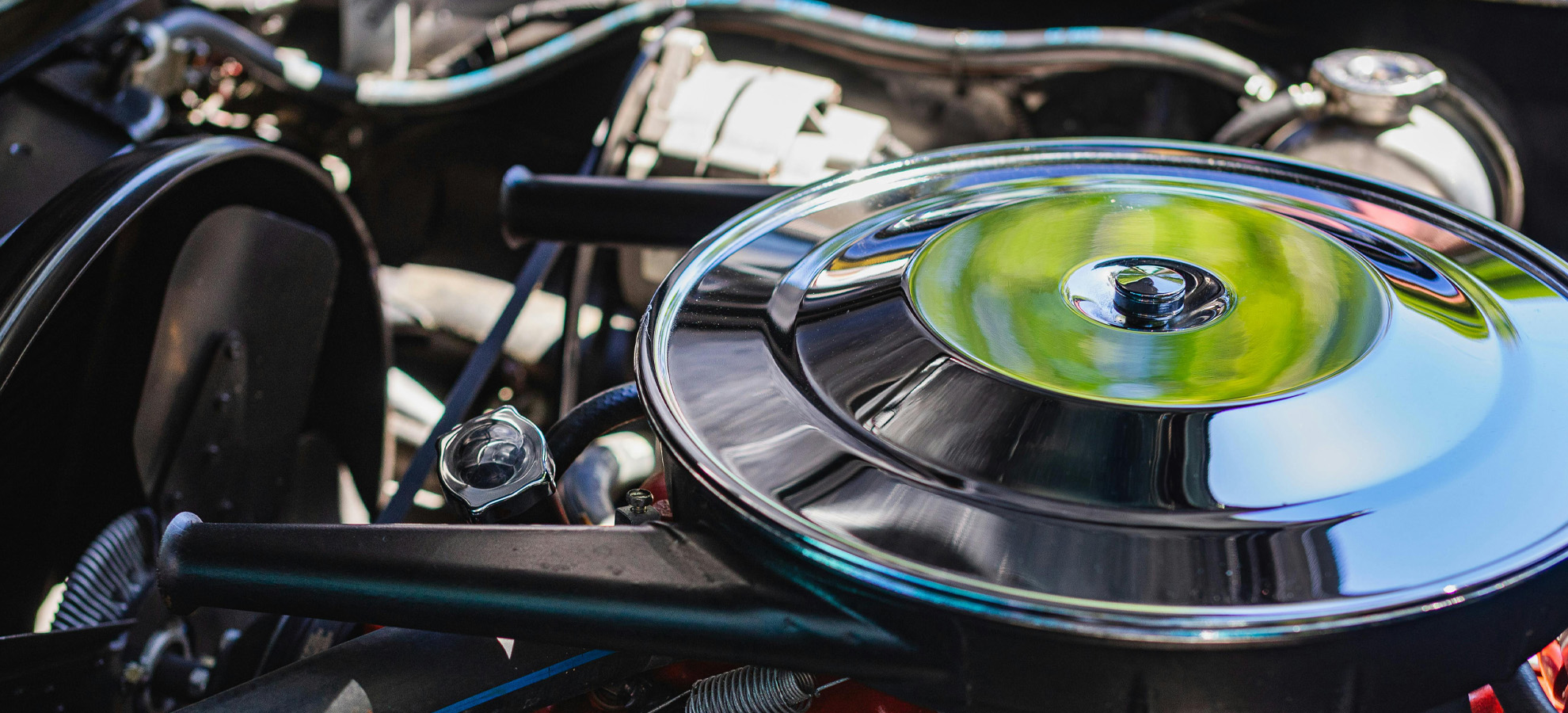
- Clogged Air Filter: Your engine needs a steady supply of clean air to operate efficiently. A clogged air filter restricts airflow, resulting in a rich air-fuel mixture (too much fuel, not enough air). This leads to a drop in engine power, especially during acceleration. If it’s been a while since you changed your air filter, it might be time for a replacement.
- Fuel System Issues: Your fuel pump, fuel filter, or fuel injectors may be the culprits. A weak fuel pump struggles to deliver enough fuel to the engine, especially at higher speeds. Similarly, clogged fuel filters can restrict fuel flow, causing your car to lose power.
- Exhaust Blockages: If your catalytic converter or muffler is blocked, it can prevent exhaust gases from exiting the engine properly. This creates back pressure, making it hard for the engine to “breathe” and reducing power output. If you notice a sulfur or rotten egg smell, that’s a clue your catalytic converter may be failing.
- Timing Belt Issues: The timing belt controls the opening and closing of the engine’s valves. If it slips or is worn, it can throw off the engine’s timing, causing a loss of power and even engine misfires.

6. Overheating Issues
Engine overheating is one of the most serious problems you can encounter, and ignoring it can lead to catastrophic engine failure. If you notice your temperature gauge creeping into the red zone or steam coming from under the hood, pull over immediately to avoid severe damage.
Why Does Your Engine Overheat?
- Coolant Leaks: The most common cause of overheating is a coolant leak, usually from hoses, the radiator, or the water pump. Coolant helps regulate your engine’s temperature, so if it’s leaking, your engine won’t be properly cooled.
- Faulty Thermostat: The thermostat controls the flow of coolant through the engine. If it’s stuck closed, coolant can’t circulate, leading to rapid overheating. On the flip side, a stuck-open thermostat can prevent your engine from reaching its optimal operating temperature.
- Broken Water Pump: The water pump is like the heart of your engine’s cooling system. It circulates coolant throughout the engine. If it fails, coolant won’t flow properly, causing your engine to overheat quickly.
- Radiator Problems: The radiator dissipates heat from the coolant before it circulates back into the engine. If the radiator is clogged or damaged, your car will struggle to maintain a normal temperature. Check for debris or corrosion in the radiator as a potential cause.
7. Poor Fuel Efficiency
If you’re stopping at the gas pump more frequently than usual, your car might have fuel efficiency issues. With the rising price of gas, this one is a real wallet-killer.
Why Is My Car’s Fuel Economy Dropping?
- Dirty Air Filter: When your air filter is clogged, it reduces the airflow to your engine. This makes it burn more fuel to compensate for the lack of air, reducing your miles per gallon.
- Malfunctioning Oxygen Sensor: The oxygen sensor helps control the air-fuel mixture. If it’s faulty, your engine may run rich (too much fuel, not enough air), wasting gas and reducing efficiency.
- Tire Pressure: Low tire pressure increases rolling resistance, making your engine work harder to move the car, thus consuming more fuel. Keeping your tires properly inflated can improve fuel efficiency by up to 3% (which really adds up over long distances).
- Fuel Injector Problems: A dirty or leaky fuel injector can disrupt the fuel-air ratio, causing the engine to use more fuel than necessary. Regularly using a fuel system cleaner can help prevent this issue.
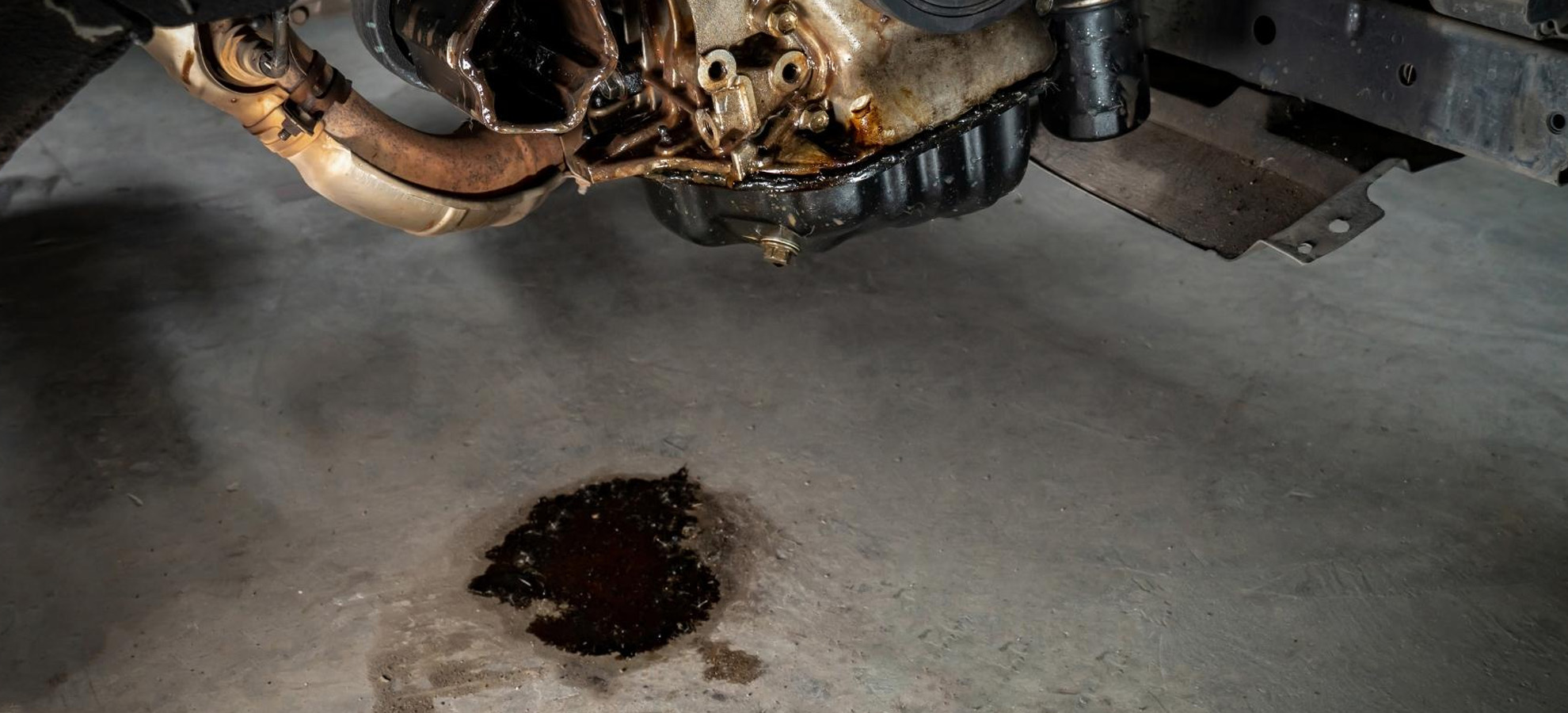
8. Fluid Leaks Under the Car
If you notice puddles of fluid under your car after it’s been parked, don’t ignore it. Fluid leaks are a red flag that something is wrong with your vehicle.
What Do Different Fluid Colors Indicate?
- Brown or Black: This is usually engine oil. If it’s dark, your oil is old and could be leaking from worn-out seals or gaskets.
- Green or Orange: This is typically coolant/antifreeze. Coolant leaks are often due to cracked hoses, a failing water pump, or a damaged radiator.
- Red: A red fluid leak usually indicates transmission fluid. If left unchecked, it can lead to costly transmission repairs.
- Clear or Yellow: If the liquid is slippery and clear, it’s likely brake fluid. Low brake fluid levels can be dangerous, reducing your braking power and increasing stopping distance.
If you see any fluid leaking, it’s important to address it quickly. Ignoring leaks can lead to major mechanical issues down the road and potentially require you to replace your entire engine with either a used part, or a new part. This is especially the case if it’s coolant or oil.
Frequently Asked Questions
Q: How often should I check my engine for potential issues?
A: Regular engine checkups are key to keeping your car running smoothly. Aim to inspect your engine every 3,000 to 5,000 miles or whenever you notice unusual sounds, leaks, or changes in performance.
Q: Can I fix engine problems myself, or do I need a mechanic?
A: Minor issues like replacing air filters or spark plugs can often be handled at home with the right tools. However, for complex problems like a failing catalytic converter or engine overheating, it’s best to consult a mechanic.
Q: What’s the cost of repairing common engine issues?
A: Costs vary depending on the problem. For example, fixing a blown head gasket can cost $1,000-$2,000, while replacing spark plugs might cost around $100-$200. Using quality used auto parts can help lower these costs.
Q: Are used engine parts reliable?
A: Yes, when sourced from a trusted supplier or salvage yard, used engines and used engine parts can be a cost-effective and reliable solution. Always check the part’s condition and compatibility with your vehicle. Make sure to provide the supplier with your VIN to ensure you’re buying the right part.
Q: How do I know if it’s time to replace my engine instead of repairing it?
A: If your engine has severe damage (like a cracked block) or repair costs exceed the car’s value, replacing the engine with a used or new one may be more practical.
Q: What are the risks of ignoring engine problems?
A: Ignoring engine issues can lead to further damage, reduced fuel efficiency, higher repair costs, and potentially dangerous breakdowns.
Q: How can I improve my car’s fuel efficiency to avoid strain on the engine?
A: Regular maintenance like changing air filters, keeping tires properly inflated, and addressing check engine light warnings promptly can improve fuel efficiency and protect your engine.
Q: Can rough idling damage my engine?
A: Yes, prolonged rough idling can strain engine components, potentially leading to more severe issues like misfires or wear on internal parts.
Q: How can I tell if my timing belt is failing?
A: Signs of a failing timing belt include ticking noises from the engine, difficulty starting the car, and visible wear on the belt.
Q: What should I do if my car overheats while driving?
A: Pull over immediately, turn off the engine, and let it cool before checking coolant levels. Driving with an overheated engine can cause severe damage.
Q: How can I prevent engine problems in the future?
A: Regular maintenance, such as timely oil changes, replacing filters, and inspecting belts and hoses, can help prevent most engine problems.
Q: Where can I find affordable replacement parts for my engine?
A: Check online marketplaces like ShopEarl or visit local salvage yards for quality, affordable used car engine parts.
Conclusion
Getting to know your vehicle is easier than you think. By staying vigilant, you can catch engine problems early and keep repair costs low. Remember, a well-maintained car saves you time and money in the long run.
Are you looking for used car engines for sale or other used auto parts for your vehicle? Visit ShopEarl for expert advice and affordable parts.


A Comparison: Why ShopEarl Is The #1 Auto Part Marketplace
Looking to buy auto parts online? See why ShopEarl beats LKQ, eBay Motors, Car-Part.com & aftermarket suppliers with better prices and real support.
14 min
Read more 

LKQ vs. ShopEarl: 5 Reasons ShopEarl Is THE BEST Alternative
Looking for an LKQ alternative? Discover why ShopEarl beats corporate auto parts with better prices, real support & independent American salvage yards.
13 min
Read more

Aftermarket Sellers vs. ShopEarl: Why ShopEarl Is #1 Compared To NAPA, CarParts.com, AutoZone, and the Rest
Looking for a CarParts.com, AutoZone, or any other car part alternative? Discover 5 reasons ShopEarl beats aftermarket vendors with OEM parts, lower prices & American sellers.
12 min
Read more

Car-Part.com vs. ShopEarl: 5 Reasons ShopEarl Is THE BEST Alternative
Discover 5 reasons ShopEarl beats Car-Part.com. Modern checkout, free seller listings, live support. The best car-part alternative.
13 min
Read more